|
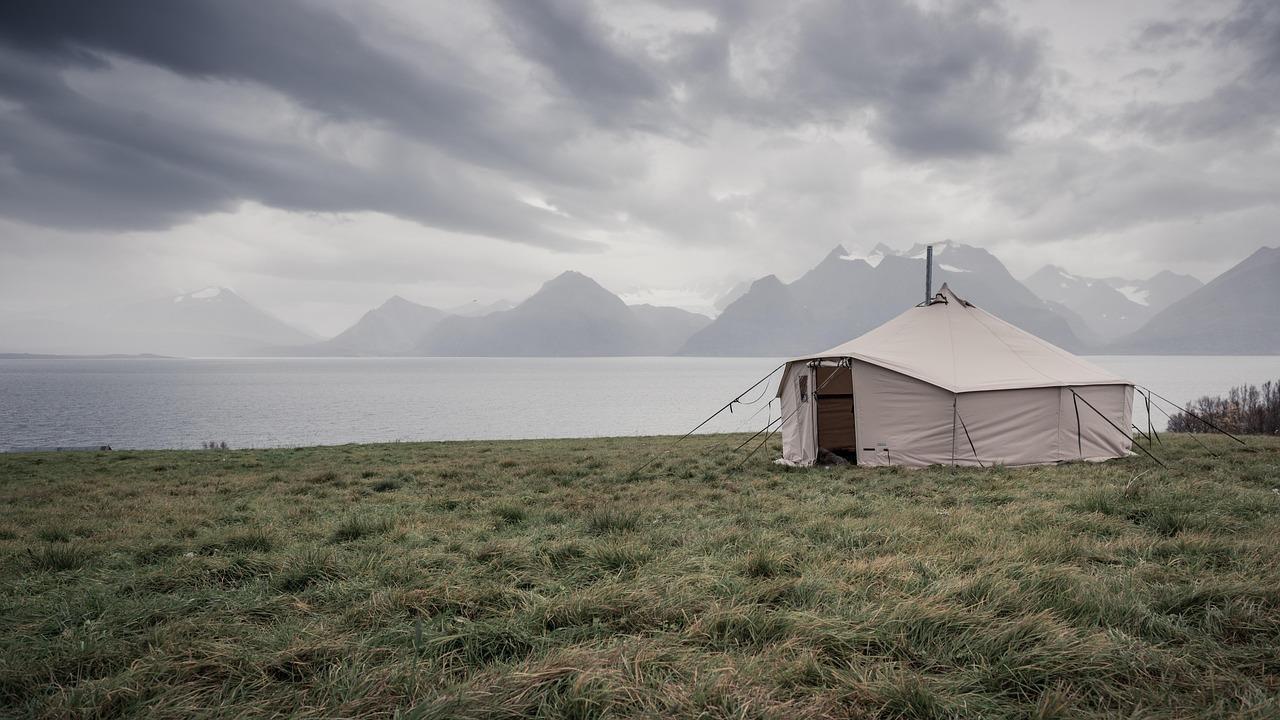
Sometimes you need more covered space, but a full building project feels like overkill. Maybe you’re hosting a large backyard celebration, protecting tools and materials during a renovation, or creating a sheltered area for seasonal storage. Semi- permanent tent structures are a useful middle ground: sturdier than a pop-up canopy, but far faster and often less complicated than traditional construction. Semi-permanent doesn’t mean flimsy. It usually refers to modular structures designed to stay in place for months or even years, with options for sidewalls, doors, flooring, and even basic climate control. What makes a semi-permanent tent differentA typical party tent is designed for short use and mild conditions. A semi-permanent structure is built for longer timelines and tougher weather. Many share a few practical traits: – Modular sizing so you can extend length or adjust layout – Stronger frames and tensioned membranes for better stability – Enclosure options such as walls and access points – Better weather performance for wind, rain, and seasonal temperature swings Where these structures work wellSemi-permanent tents are versatile for home and small business needs. Outdoor entertaining and eventsIf you host weddings, reunions, or community gatherings, a semi-permanent structure can provide a consistent event space. Add flooring for comfort, sidewalls for wind protection, and lighting for a more finished look. Renovation and project protectionDuring home improvement projects, materials often end up outside. A covered structure helps keep lumber, tools, and equipment dry and organized. Seasonal storage and overflow spaceIf your garage is packed, a semi-permanent tent can act like a flexible storage extension for bikes, patio furniture, garden equipment, or boxed items. Small business and workshop needsFor makers, landscapers, or contractors working from home, extra covered space can support a workshop zone, staging area, or protected loading space without the delays of a full build. A quick checklist before you choose oneUse this checklist to avoid common mistakes: – Timeline: weeks, months, or multiple seasons – Location: level ground, good drainage, and access for delivery – Weather exposure: wind direction, snow risk, and sun intensity – Access: doors or wide openings for equipment – Comfort: ventilation, insulation, or heating and cooling – Local rules: permits may apply depending on size and duration Semi-permanent tents vs traditional buildingsA permanent building can be a great long-term investment, but it also comes with higher costs, longer timelines, and more disruption. Semi-permanent structures can be a better fit when you need space quickly, expect your needs to change, or want to avoid major foundation work. The bottom lineIf you want dependable covered space without committing to a full construction project, semi-permanent tent structures offer a practical, adaptable path. With the right planning around site conditions, access, and weather needs, you can create a sheltered area that supports events, storage, or work for far longer than a typical temporary canopy. |